Why rug shoppers hesitate
A rug is a large, visible and often expensive purchase that cannot be tried on. In conversations with rug retailers the same questions come up again and again:
- Size: will it be too small next to the sofa or the bed?
- Colour: will it look like the photo in my light?
- Quality: is it worth the price, and how long will it last?
- Style: does it go with my floor and furniture?
- Risk: what does a return cost, and how do I send back a heavy rug?
Each unanswered question is a reason to postpone. Increasing sales therefore starts with answering them on the product page, before the shopper has to ask.
1. Show the rug at true size in the shopper’s own room
Size is the most common doubt and the most common reason for returns. Product photos in a styled room show a rug, not this rug in my room. Help shoppers in three steps:
- List every size variant clearly, in centimetres and, where your buyers use them, inches, and say whether the fringe is included.
- Explain how to choose a size: a short guide such as how to compare rug sizes or where to put a rug answers the question in the shopper’s own terms.
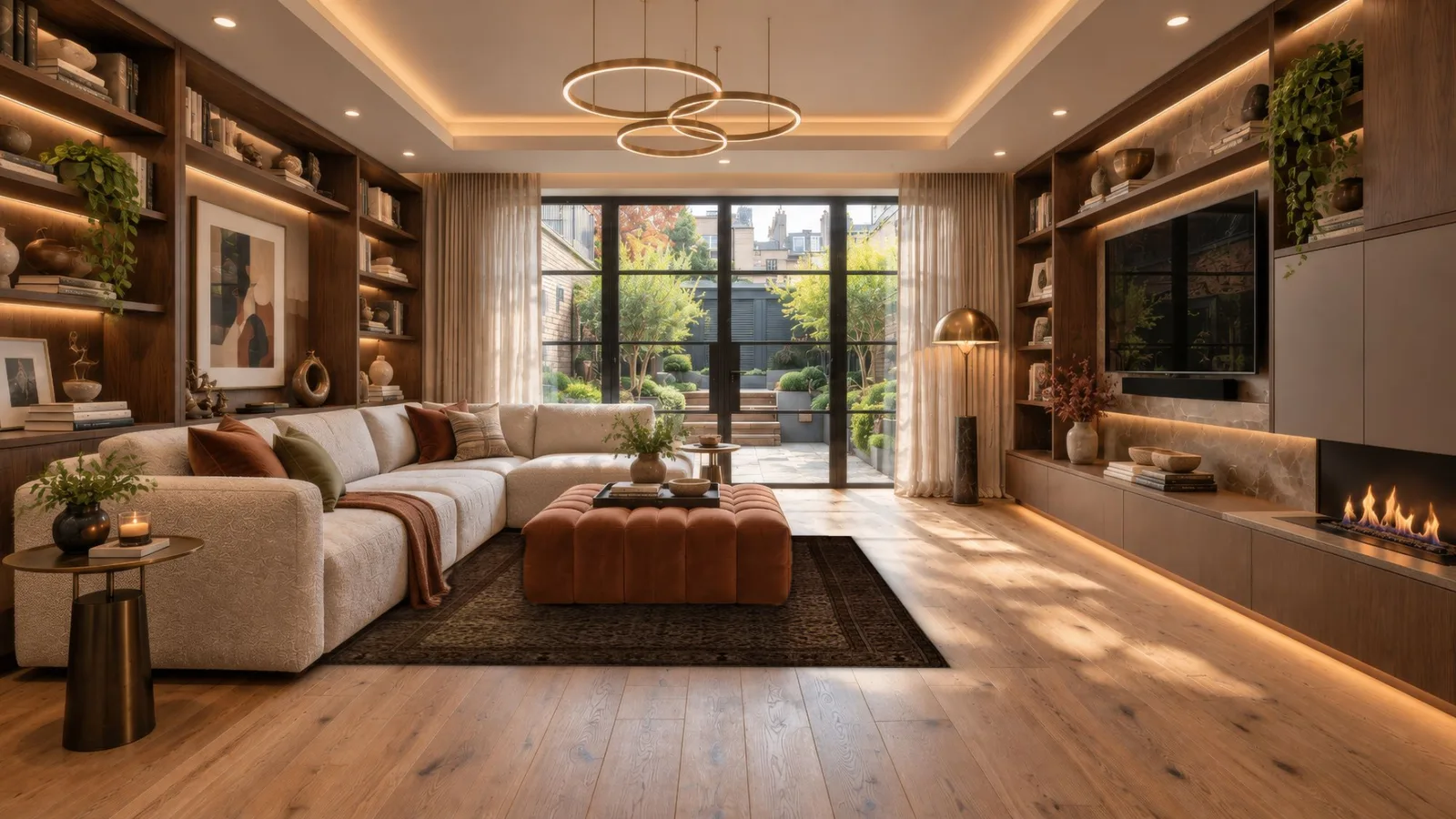
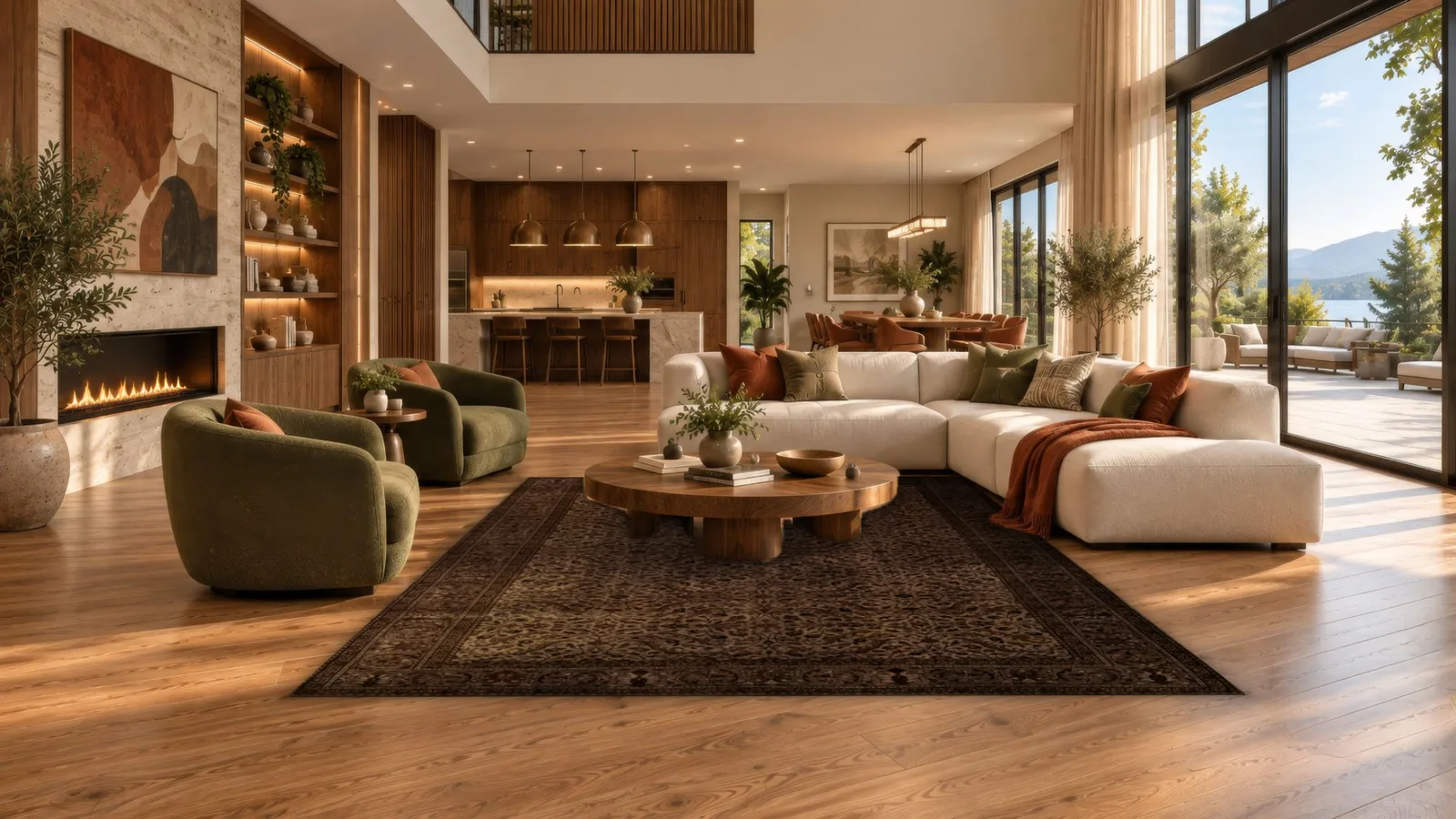
- Let shoppers see the rug at true size in a sample room or a photo of their own room. A room view such as Raum Visualisierer places the rug in perspective, under the furniture, and lets shoppers switch sizes and compare two rugs side by side. Our guide to room photos for visualisation explains what makes a good photo.
2. Make colour and texture trustworthy
Colour disappointment is the second big source of returns. Photograph rugs in daylight as well as studio light, add close-ups of the pile and the back, and show the rug from an angle so the sheen of wool, silk or viscose is visible. A short video in which someone walks over the rug says more about texture than any text. Describe colours with everyday words (“warm terracotta with sand-coloured border”) and say how the colour can vary with light and screen. For expensive pieces, offer a sample or a video call.
3. Explain quality in plain words
Shoppers compare a hand-knotted rug with a machine-made one that looks similar in a thumbnail and wonder why it costs five times as much. Tell them: how the rug is made, what it is made of, where and by whom, and how long it can last. Our guides to hand-knotted vs. machine-made rugs and rug materials show the level of explanation that builds trust. A simple comparison table on the category page (construction, material, pile height, care, typical lifespan) helps more than adjectives.
4. Answer delivery, returns and care before they ask
Put delivery time, packaging (rolled, in protective film), return period and who pays the return shipping directly under the price, not only in the footer. Explain how a rug is returned: is there a pickup, a label, a packing guide? Add care instructions per material, as in our rug care guide. Our article on reducing returns in a rug store shows which questions cause the most returns and how to answer them on the page.
5. Offer a person when the decision is big
For large or expensive rugs many buyers want to ask someone before ordering. Make that easy: a visible “ask for design advice” option, a call-back request, a messaging button and, if you have one, an invitation to the showroom. A short, friendly conversation about room size, floor colour and furniture often turns a doubt into an order, and the questions you hear are the best input for your product pages.
6. Use proof from real homes
Reviews with photos of the rug in customers’ homes answer the size and colour question better than any studio image. Ask for them after delivery, with permission to show them. Show your company details, address and phone number openly, and keep product information consistent across your shop, marketplaces and social media.
7. Bring the right shoppers with performance marketing
Removing doubts raises the conversion rate; marketing decides who arrives on the page. For rug stores a few channels do most of the work:
- Google Shopping: a clean product feed with size, colour, material and shape in titles and attributes lets your rugs appear for precise searches such as “runner 80 x 300 wool”. Google Ads and Shopping management ties the feed to bids and margins.
- Meta catalogue ads: rugs shown in room scenes reach people who are furnishing a home; retargeting brings back those who viewed a rug. See Meta advertising for online stores.
- Email and messaging: browse and cart reminders, delivery updates and care tips after the purchase, built as e-commerce email marketing flows.
- SEO: category pages for sizes, rooms and materials, and guides like the ones on this blog, answer early questions in search and AI answers; SEO for online shops builds that structure.
All of this works best on a fast store with clear product pages; if your shop needs work, Shopify store development comes first.
8. Measure which doubts you have removed
- Conversion rate from product page to cart and from cart to order, per category and device.
- How many shoppers use the room view or size guide, and how their conversion compares.
- Return rate and return reasons (size, colour, quality, damage).
- Questions to customer service: the most frequent ones belong on the product page.
- Return on ad spend by channel, set against margin rather than revenue alone.
Change one thing at a time and compare comparable periods; seasonality is strong in home furnishing.
Checklist for a rug product page
- All sizes clear, fringe stated, size guide linked.
- Room view at true size, ideally in the shopper’s own room.
- Daylight photos, close-ups, back of the rug, short video.
- Construction, material, origin and care in plain words.
- Delivery time, packaging and return conditions under the price.
- Personal advice by call-back, messaging or showroom.
- Customer photos and reviews.
About this article
Raum Visualisierer is developed by Roas Digitall, a performance marketing agency for e-commerce that works with rug and home-furnishing stores. This article describes general practice; results depend on each store’s products, prices and audience.